Demo Shop Inc General Tips on Choosing the Best Roller Shutters

Tips on Choosing the Best Roller Shutters

There are numerous angles and factors to consider when picking roller shutters for the home as they show up in a wide range of structures and styles. You may be compelled to pick between roller shades and blinds. You need to make the fundamental moves in picking what best fulfills your requirements. Roller shades are accessible in numerous shapes that are unmistakable. The ideal shade for you relies on your own unmistakable design needs and house. In this article, you will know the difference between blinds vs shutters.

Layout

shutterPassing vehicles, visitors, and mechanics create a great deal of sound. That is the main reason roller shutters are commended. By decreasing sound levels, they make your house surgeries tremendously helpful. Shutters are compact, flexible, and quiet in performance – exceptionally convenient and ideal for decreasing noise pollution levels. As a result of this, it is crucial to consider the amount of security a roller notebook provides. It’s possible to make sure that your windows are more protected and secured with additional security, including bullet locks.

Budget

The most critical character to consider whilst picking roller shutters is the budget. Pick roller shutters that are budget-friendly, pressure on course, and make certain you select out of a well-reputed small business.

Quality

Another significant factor equally as crucial to consider is quality. So make certain you get dividers that are durable and sustainable and do not compromise quality. You may guarantee it by buying from a well-respected maker. Roller shutters maintain and boost the entire look of your dwelling. Perforated shutters are not only aesthetically pleasing. In addition, they give you the very best compromise between security and reliability.

Related Post

Salon or DIY? Shopping Tips for Haircuts That Work on Thinning HairSalon or DIY? Shopping Tips for Haircuts That Work on Thinning Hair

When your hair starts thinning, deciding how to maintain a great haircut can feel tricky. Should you trust a professional stylist at the salon or take matters into your own hands with a DIY cut? Both options have their pros and cons, and making the right choice depends on your lifestyle, skill level, and the kind of look you want to achieve. The good news is, with the right guidance, you can find a haircut that flatters your thinning hair and keeps you feeling confident.

Finding the Best Cut for Thinning Hair

One of the most important steps in managing thinning hair is finding the best cut for thinning hair that suits your unique texture and face shape. This means looking for styles that add volume or create the illusion of thickness without demanding too much maintenance. Whether you’re exploring salon options or thinking about cutting your hair yourself, understanding what shapes and lengths work best is key. Stylists usually have the experience to suggest cuts that minimize the appearance of thinning areas, while DIYers can also experiment with shorter cuts that make thin hair less noticeable.

Advantages of a Professional Salon Cut

Visiting a salon offers many benefits, especially when dealing with thinning hair. Professionals have the training and tools to tailor a haircut specifically for your hair’s condition and growth pattern. They can recommend styles that complement your face and provide advice on products that can add volume or texture. Salons also offer a relaxing environment where you can get pampered while ensuring your haircut looks polished and intentional. For those unsure about how to style their thinning hair, a salon visit can be a confidence booster and a chance to try new looks.

When DIY Haircuts Work Best

Cutting your hair at home can be a convenient and budget-friendly option, but it requires some patience and a steady hand. DIY haircuts tend to work best for simpler styles that don’t need intricate layering or blending—think buzz cuts or basic trims. For men with thinning hair, shorter cuts can often look sharp without much fuss. Plus, cutting your hair yourself allows for more frequent maintenance, helping you keep your look fresh without scheduling salon appointments. Investing in a good quality clipper or scissors and watching tutorials can make the DIY route surprisingly effective.

Shopping Tips for Products and Tools

Whether you prefer salon visits or DIY cuts, shopping for the right products and tools is essential for maintaining your thinning hair. Lightweight styling products like mousse or volumizing sprays can add body without weighing hair down. Avoid heavy gels or creams that make thin hair look flat or greasy. If you cut your hair, look for clippers with multiple guards and sharp scissors designed for hair cutting. Salon professionals also rely on high-quality tools that can create clean, precise lines and layers, which are especially important when managing thinning areas.

Balancing Cost and Convenience

Budget and convenience play big roles in deciding between salon and DIY haircuts. Salons may offer a superior finish and professional advice, but regular visits can add up over time. On the other hand, DIY cutting saves money and fits into a busy schedule but might not always give the perfect result on the first try. Many men find a balance by scheduling occasional salon trims to reset their style while doing light touch-ups at home between visits. This hybrid approach can keep your thinning hair looking its best without breaking the bank. Deciding between a salon haircut and a DIY approach for thinning hair comes down to what fits your style, skill level, and routine. Understanding how to find the best cut for thinning hair will help you make informed choices that boost your confidence and keep your look sharp. Whether you trust a professional or take the scissors into your own hands, the key is to choose styles and products that work with your hair’s texture and condition. With these shopping tips in mind, you’ll be well on your way to maintaining a haircut that suits your thinning hair and your lifestyle.

crossbow scopes

Five Factors to Examine When Finding the Best Crossbow ScopeFive Factors to Examine When Finding the Best Crossbow Scope

Crossbow scopes can make a significant difference to your hunting experience. When you get your new crossbow, you set everything up and go to try it out. After 30 minutes, you can’t get all the sights aligned. It gets dark quickly, and suddenly it’s impossible to see anything through the scope. The scope fogs up in the lowest light conditions. It is a disaster and the most frustrating thing you can do. You need to spend a small portion of your budget to buy a good quality scope. Besides, there are ways to choose great scopes on a budget. Therefore, you need to be more careful when finding the perfect one for you. Here are some factors you should evaluate when finding the best crossbow scope for you;

using scopes

Magnification

There are two types of scope magnification. There are two types of magnification: fixed power scopes or variable power scopes. Fixed power riflescopes range from 3x to 6x. Variable power scopes can be adjusted within these ranges. The type of hunting you do and the distance at which you will be hunting will determine the tool you need and the magnification you should be looking for. However, think about the area and the terrain. It is not advisable to change the magnification of your scope while hunting. You will constantly have to readjust your range, which can take some time.

Illumination

A more extended scope usually means higher magnification. However, be aware that a longer scope is heavier and can affect maneuverability. All new scopes are equipped with illumination. The illumination illuminates the reticle in low-light conditions to hunt all day long. Many models can illuminate the reticle with green or red light. Besides, low-quality visors are often not weatherproof. It means that it is essential to read reviews from previous buyers to see if anyone has complained.

Body Features

Stray light is produced when light reflects off the metal of the scope. The glare from the tool can distract the shooter from shooting. When choosing a rifle scope, look for an internal coating. It will reduce glare and make target identification easier. Besides, eye relief is the distance your eye needs from the eyepiece to see the lens. This term is often used when purchasing a crossbow scope. It refers to the amount of light that enters the eye through the crossbow scope. To ensure good vision, a high level of light is necessary.

Size and View

The width of the field of view when looking through the scope is the area of the image. It depends on the magnification of the gun and the configuration of the objectives. The smaller the field of view, the higher the magnification. Besides, there are two sizes of center tubes: Europeans prefer 30mm tubes, while Americans prefer 1-inch tubes. There is no difference in quality. However, the 30mm diameter has a thicker wall that offers more protection.

Durability and Warranty

A well-built scope will last for many years and can be carried from crossbow to crossbow. Good manufacturers offer at least a 5-year or lifetime warranty on the gun. It is crucial to make sure this is the case with your scope. You can also read customer reviews to see if the manufacturer offers good support. If you don’t get a response for months or send you defective products after a long wait, a lifetime warranty is not worth it. Therefore, it would be better to do your research and find a reputable seller.

hunter

Hunting Tips for First-Timers: How to Get Started in the WildHunting Tips for First-Timers: How to Get Started in the Wild

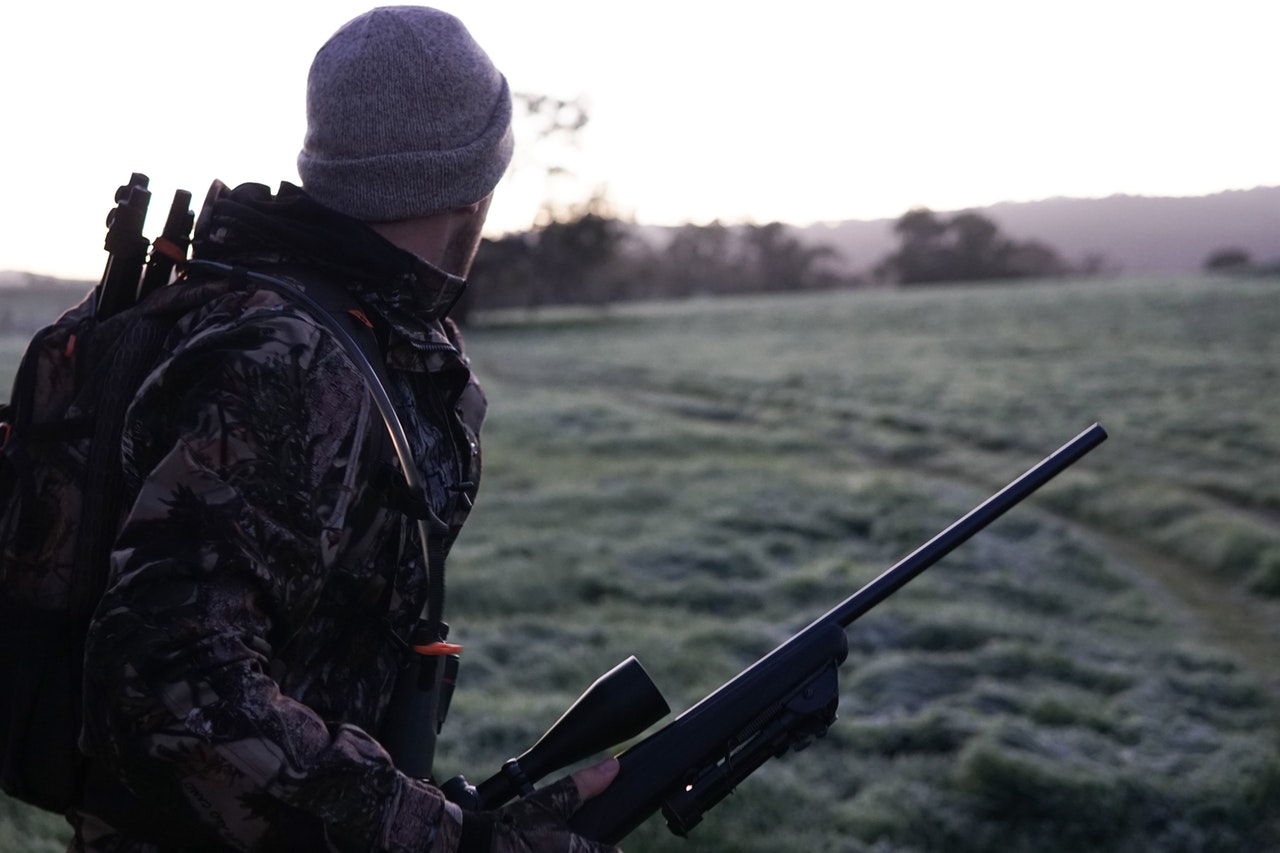
If you’re new to hunting, the process can seem daunting. There’s a lot to learn, and it can be tough to know where to start. But don’t worry, because we’ll provide some tips for first-timers on how to get started in the wild. We’ll cover everything from choosing the right gear, such as the best beginner compound bow, to learning about local hunting laws. So, whether you’re just starting out or you’ve been hunting for years, read on for some helpful advice.

What Gears Will I Need?

gunThat’s an interesting question, young grasshopper. As with most things in life, the answer to this question largely depends on what you’re hunting. If you’re after a big game such as deer or elk, you’ll need a rifle or bow that can take down these animals humanely.

And if you’re going after smaller prey like rabbits or squirrels, a basic shotgun or rifle should do the trick. But what about all of the other gear you’ll need? Well, that depends on what type of hunting you’re doing. For example, if you’re hunting in a tree stand, you’ll need a good pair of climbing boots and a safety harness. And if you’re hunting in open country, you’ll need items like a camouflage jacket and pants, binoculars, and a compass.

The bottom line is that you need to be prepared for any situation. So, before you go out hunting, do your research and make sure you have the right gear for the job.

What about Hunting Laws?

This is another crucial thing to consider before starting out on your hunting career. Every state has different hunting laws, so it’s essential to know the rules in your area. For example, some states require that you have a license before hunting, and others have restrictions on what types of weapons you’re allowed to use. It’s also important to be aware of the local hunting regulations. For example, in some areas, you’re not allowed to hunt during certain times of the year, or you may be limited to tracking certain types of animals. So, before you go out hunting, make sure you familiarize yourself with the local laws. It’s important to stay within the bounds of the law because getting caught hunting illegally can result in some serious penalties.


How Do I Find a Hunting Partner?

This is another question that depends on where you live. In some states, it’s illegal to hunt without a partner, while it’s not necessary for others. But most hunters will tell you that it’s always good to have someone with you in the woods. If you’re looking for a hunting partner, there are a few ways to go about it. You can ask around your local sporting goods store or post an ad on online classifieds websites like Craigslist. And if you know someone who’s into hunting, they may be willing to go out with you.

The bottom line is that finding a hunting partner is not as hard as you may think. And having someone to help you out in the field can be a huge benefit. So, there you have it: some tips for first-timers on getting started in the wild. We hope you find this information helpful, and good luck on your next hunting adventure.